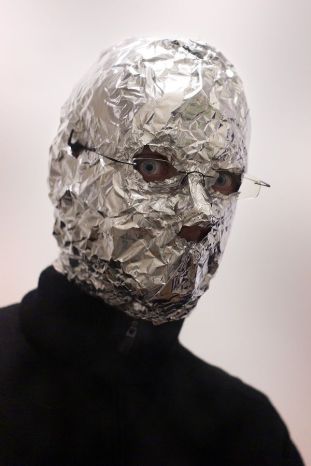
Photo credit: -RobW- / Flickr (CC BY-NC-ND)
A recent exchange in the letters page of the Irish Times concerning the historical (St) Patrick’s origins has compelled me to wade into the mire of modern-day Patriciana. Quapropter olim cogitaui scribere, sed et usque nunc haesitaui…
The exchange originated between Rev. Marcus Losack, a pilgrimage leader and spiritual guide, and Dr Elva Johnston of the School of History & Archives, UCD, Dublin. Rev. Losack, who has been promoting a book on the subject for a while now, took exception to a letter by Dr. Johnston in which she noted flaws within his recent rehashing of an old argument – Patrick being a Breton, from Brittany – as opposed to the historically attested view of his being a Romano-Briton.
‘Ooh La La’
The response by Rev Losack is a tour de force in historical misinterpretation, misappropriation and selective ‘reasoning’. In it, he expresses (in an impressively accomplished display of vaudevillian histrionics) a misplaced ‘sense of dismay and disappointment at the tone of Dr Johnston’s letter’ and castigates her as taking an ‘extremist position’ by ‘refusing to countenance any alternative theory’. He asserts that such a view ‘reflects a certain academic arrogance and authoritarianism which does not do justice to the complexity of the subject’. After then implying that the Royal Irish Academy’s current rendition of a key linguistic term is influential enough to lend favour in some way towards a quasi-national (dare I suggest, illuminati inspired?) academic plot designed to hide the original meaning – he then finishes by channelling the words of that world-renowned heroic denizen of historical accuracy & wisdom, Dan Brown, towards the possibility of the ‘experts in Dublin’ being in error.
Rev Losack is, unfortunately, very much mistaken.
Continue reading →







 vox hiberionacum